
Shoulder and ankle arthroscopy is a minimally invasive surgical procedure used to diagnose and treat problems inside the shoulder or ankle joints. It involves inserting a thin tube with a camera, called an arthroscope, through a small incision to see inside the joint.
In the shoulder, arthroscopy is commonly used to treat conditions like rotator cuff tears, labral tears, impingement syndrome, and frozen shoulder. In the ankle, it helps in managing ligament injuries, cartilage damage, loose bone fragments, and chronic ankle pain.
One misconception is that arthroscopy is only for professional athletes or severe injuries, but it is also beneficial for everyday patients dealing with long-term joint pain. Many think recovery will take months, but arthroscopy leads to quicker healing compared to open surgery.
Understanding shoulder and ankle arthroscopy, its uses, benefits, and recovery process helps patients make informed decisions, seek timely medical advice, and regain joint function with confidence in arthroscopic surgery in the world.
People need shoulder and ankle arthroscopy to diagnose and treat joint problems that cause pain, swelling, or limited movement. Without proper treatment, joint issues can worsen over time, leading to chronic pain, stiffness, and further injury.
Early arthroscopic treatment can prevent long-term damage, improve mobility, and allow patients to return to daily activities or sports more quickly.
Shoulder and ankle issues that may need arthroscopic surgery can develop due to injury, overuse, or gradual wear and tear. Common causes include:
Symptoms can vary depending on the type and severity of the joint problem. Some people may notice symptoms right after an injury, while others may experience gradual discomfort over time. Common signs that may indicate the need for arthroscopy include:
These symptoms lead to treatment when tests confirm that the cause is a joint injury, damage, or another condition that can be effectively managed with arthroscopy. If non-surgical treatments such as rest, medication, or physiotherapy fail to relieve symptoms, doctors may recommend arthroscopy.
Detecting joint problems early can prevent long-term damage and improve recovery outcomes. If a doctor suspects a serious shoulder or ankle issue, they may suggest one or more of the following detection methods:
Early treatment gives the best results, especially if the joint damage is detected before it becomes severe. Bangla Health Connect connects you with experienced orthopaedic specialists at leading hospitals for advanced shoulder and ankle arthroscopy.
.png)
Through Bangla Health Connect, Bangladeshi patients can access globally recognised hospitals in India, Thailand, and other leading medical destinations offering advanced arthroscopic treatments for shoulder and ankle problems. Many patients choose to travel abroad to benefit from precise diagnosis, minimally invasive surgery, and faster recovery, which may not always be available locally.
For Bangladeshi patients, Bangla Health Connect offers a trusted, convenient, and affordable pathway to advanced shoulder and ankle arthroscopy, ensuring accurate treatment, faster recovery, and personalised rehabilitation at the world’s leading orthopaedic hospitals.
Bangla Health Connect connects Bangladeshi patients with trusted hospitals that specialise in orthopaedics, sports injury management, and advanced arthroscopic procedures for shoulder and ankle conditions. These hospitals are renowned for their skilled orthopaedic surgeons, cutting-edge arthroscopic technology, and comprehensive rehabilitation support, helping patients restore joint mobility, strength, and function with minimal downtime.
Some of the leading hospitals are:


.avif)

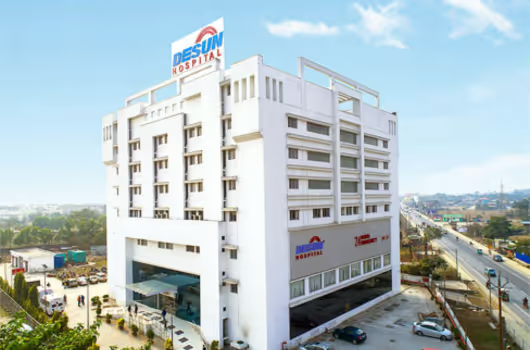
.avif)
.avif)
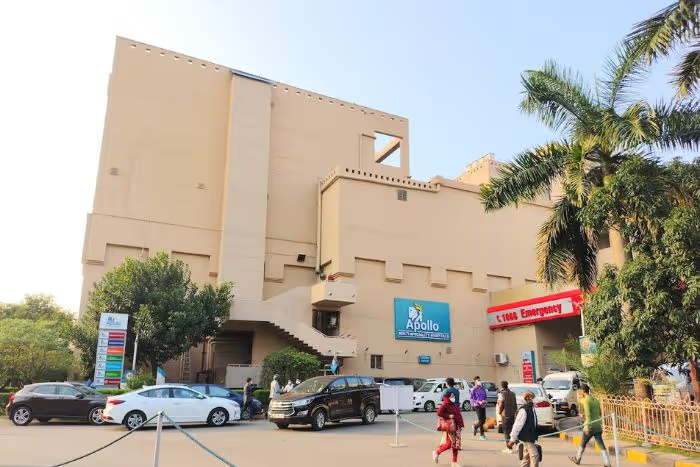
.avif)
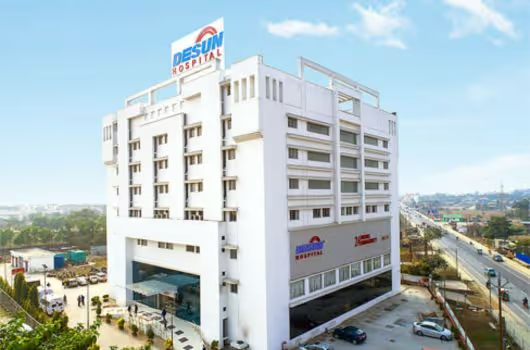
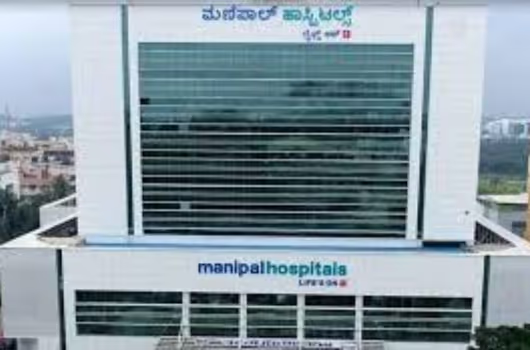


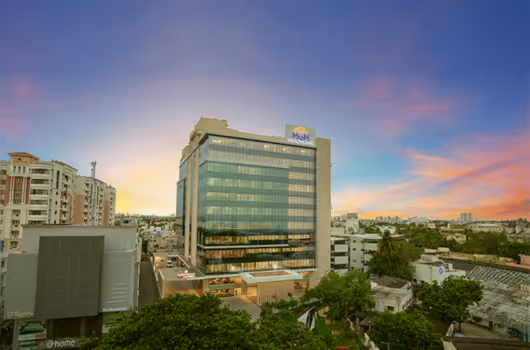
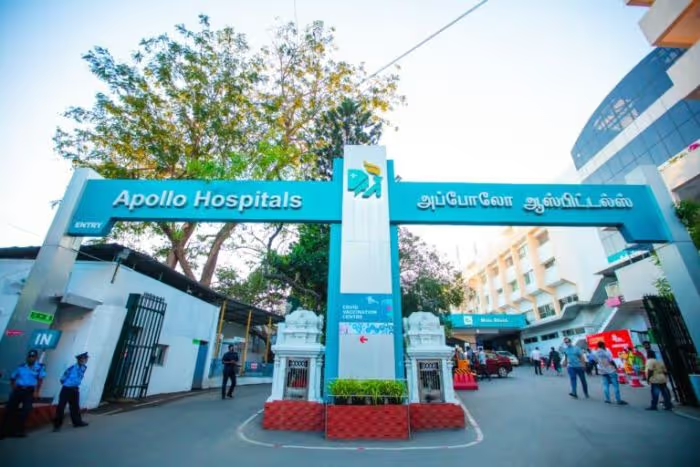
.avif)
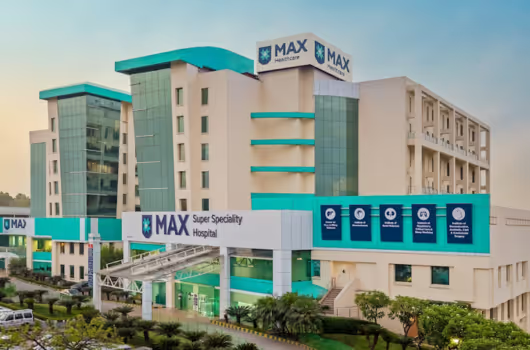

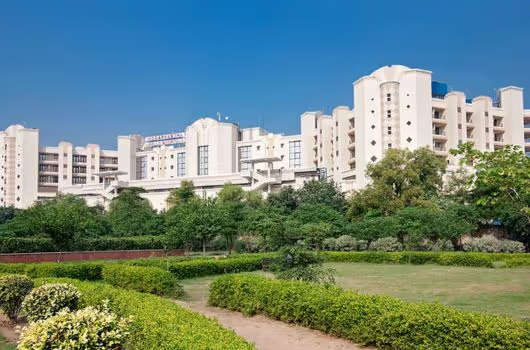

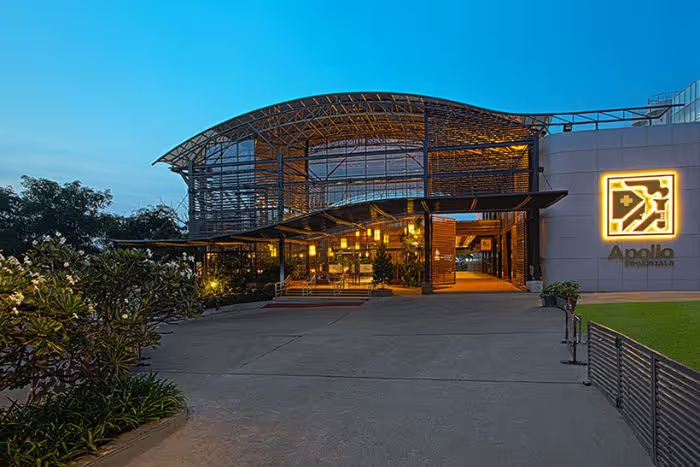

.avif)
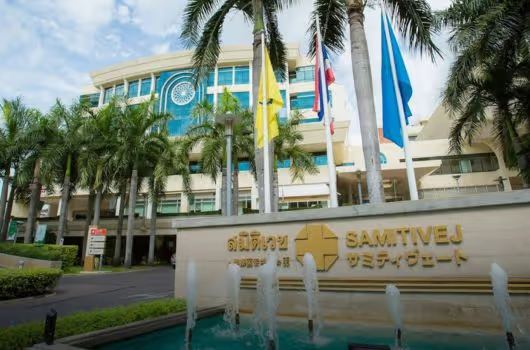
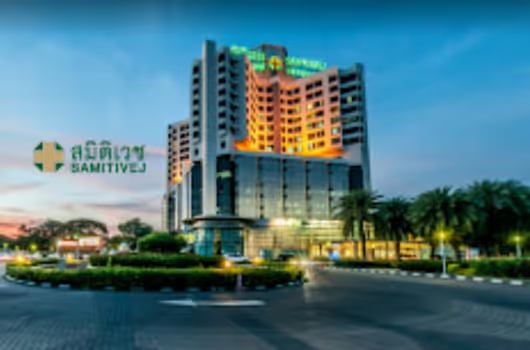
These hospitals follow international treatment guidelines and provide full support for Bangladeshi patients through Bangla Health Connect.
In India, the average cost of shoulder and ankle arthroscopy ranges from $800 to $1000, while in Thailand, it ranges from $4000 to $6300. The final cost may vary based on several factors, including the type of procedure, hospital location, and the severity of the joint condition. Before viewing the detailed table of treatment-wise costs, it’s important to understand what influences these expenses most.
Several factors can affect the total cost of shoulder and ankle arthroscopy:
Note: India is well known for offering cost-effective advanced treatment. Hospitals combine affordability with strong clinical outcomes, supported by skilled experts and the widespread availability of generic medicines.
Note: Thailand’s hospitals are often promoted as premium destinations for international patients. Their higher costs reflect the use of advanced imported medicines, luxury infrastructure, and all-inclusive patient care packages.
The costs listed are approximate and may vary based on hospital, location, and patient needs. Consult the healthcare provider for accurate and updated information.
The currency conversion rates in the table above are based on data from April 2026.
For more help on cost estimates and personalised guidance, contact Bangla Health Connect.
Success in shoulder and ankle arthroscopy means the joint problem is resolved or significantly improved, allowing the patient to regain mobility and return to daily activities without pain.
A large study of over 288,000 arthroscopic shoulder surgeries in NHS England found that serious complications within 90 days were low, occurring in just 1.2% of patients. Pneumonia was the most common adverse event, while more severe events like pulmonary embolism were rare. The one-year reoperation rate was 3.8%, meaning about 1 in 26 patients needed further surgery, with deep infection requiring surgery in only 0.1%. Overall, the study confirms that shoulder arthroscopy is a generally safe procedure with a high success rate.
Top hospitals adopt a comprehensive, patient-centred approach to treating shoulder and ankle injuries, focusing on pain relief, joint preservation, and complete restoration of mobility. Their approach includes:
This holistic and scientifically guided approach ensures precise repair, faster recovery, and long-lasting joint function, helping patients regain confidence in movement and return to active, pain-free lifestyles.

Dr. Madhan Mohan Reddy, Senior Orthopaedic Knee Replacement Surgeon, Apollo Hospitals, Greams Road, Chennai, shares an overview on Arthroscopy. Arthroscopy is a minimally invasive surgical technique used to diagnose and treat joint problems, commonly in the knee and shoulder. It helps address issues like ACL tears, meniscus injuries, and minor cartilage damage by allowing direct viewing and treatment inside the joint. Typically performed as a daycare procedure, patients can return home the same day. Following surgery, prescribed exercises are crucial for a full recovery, often leading to excellent outcomes.
Bangla Health Connect helps Bangladeshi patients access safe, advanced, and fast shoulder and ankle arthroscopy treatment. The team works closely with leading hospitals to make every step simple and stress-free.
Bangla Health Connect makes this process simple and supportive, from travel arrangements to ongoing medical guidance, ensuring Bangladeshi patients receive high-quality care with peace of mind. With over 60,000 Bangladeshi patients assisted, Bangla Health Connect has built strong trust through clarity, care, and personal support.
Contact Bangla Health Connect today to begin your treatment journey with trusted support every step of the way.
Note: Bangla Health Connect does not provide medical advice of any kind.
✅ Share Your Reports - Bangla Health Connect connects you with trusted hospitals worldwide.
✅ Get treatment plans from leading Hospitals worldwide
✅ Choose the one that fits you
✅ Let us handle the rest
Arthroscopy is a minimally invasive surgery used to diagnose and treat joint problems. A small camera (arthroscope) is inserted into the joint through tiny incisions, allowing the surgeon to repair damage with minimal disruption.
It is recommended for conditions such as ligament or cartilage injuries, bone spurs, joint instability, frozen shoulder, shoulder impingement, ankle impingement, and persistent pain that does not improve with non-surgical treatments. Only a qualified orthopaedic surgeon can determine if surgery is appropriate.
Recovery time varies but is usually faster than open surgery. Most patients can resume light activities within 2 to 4 weeks, with full recovery in 3 to 6 months, depending on the procedure and rehabilitation. Follow your surgeon’s guidance for safe and effective healing.
The average stay is 1 to 2 weeks, including pre-surgery tests, the procedure, and early physiotherapy sessions before returning home. Always confirm the expected timeline with your treating hospital.
Bangla Health Connect assists patients by connecting them to top orthopaedic surgeons in the world, arranging hospital appointments, coordinating travel and stay, and providing translation and follow-up support for a smooth treatment journey.


DISCLAIMER: THIS WEBSITE DOES NOT PROVIDE MEDICAL ADVICE
The information, including but not limited to, text, graphics, images and other material contained on this website are for informational purposes only. No material or content on this site is intended to be a substitute for professional medical advice, diagnosis, or treatment. Always seek the advice of your physician or other qualified health care provider with any questions you may have regarding a medical condition or treatment and before undertaking a new health care regimen, and never disregard professional medical advice or delay in seeking it because of something you have read on this website - www.banglahealthconnect.com

.png)



.png)
.png)